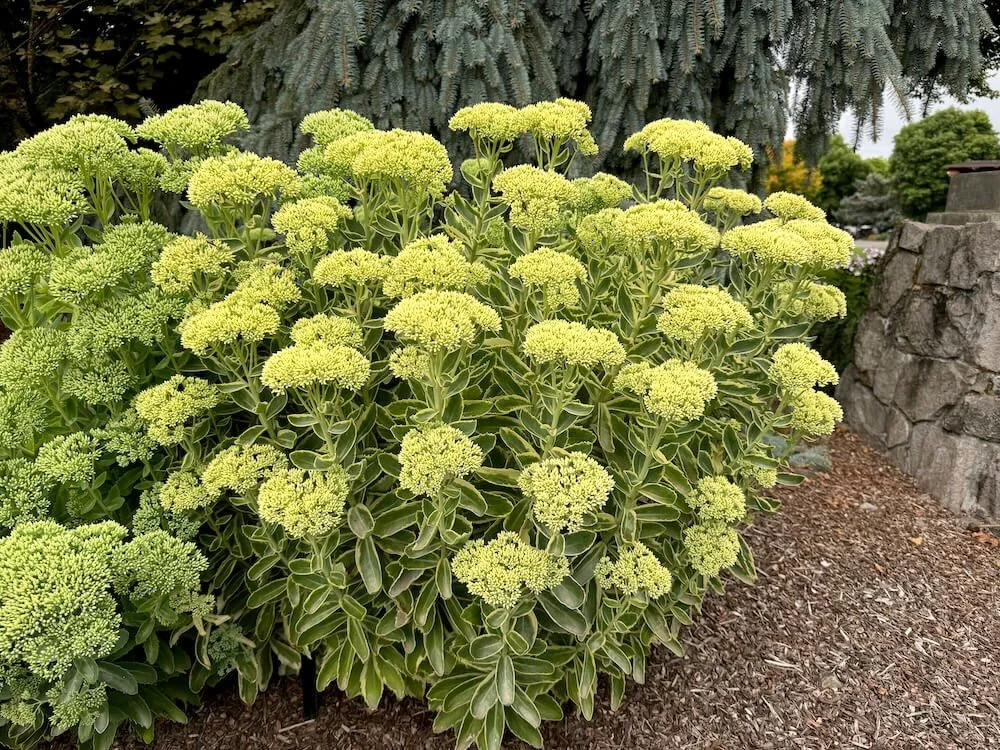
Sedum telephium 'Lajos' | Autumn Charm Sedum (2)

$0.00

DESCRIPTION
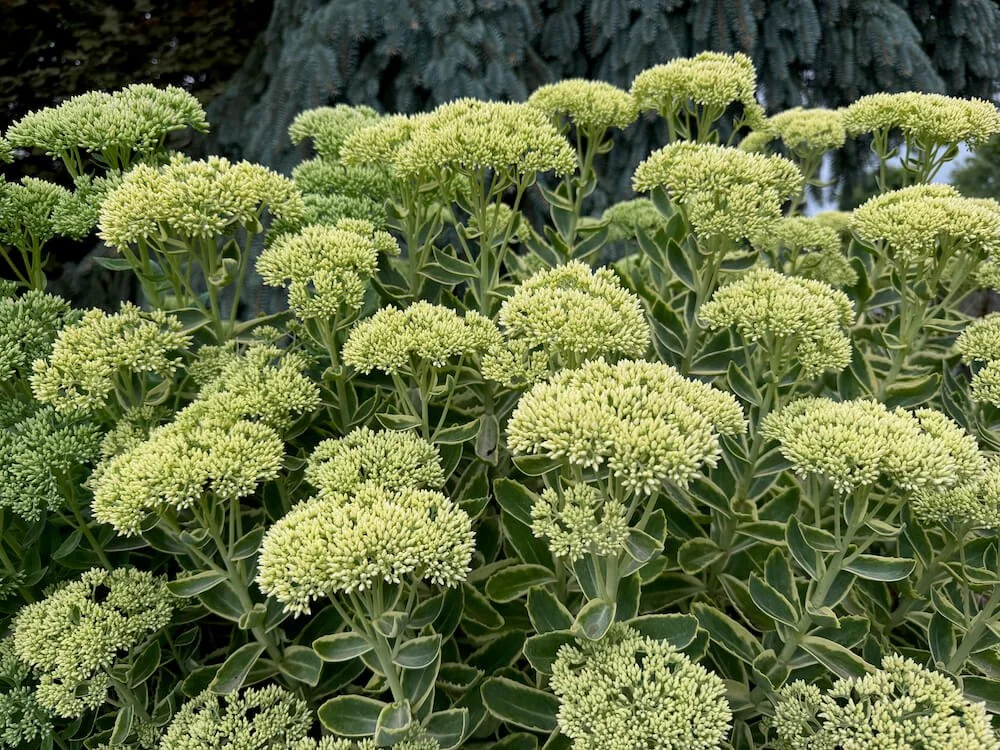
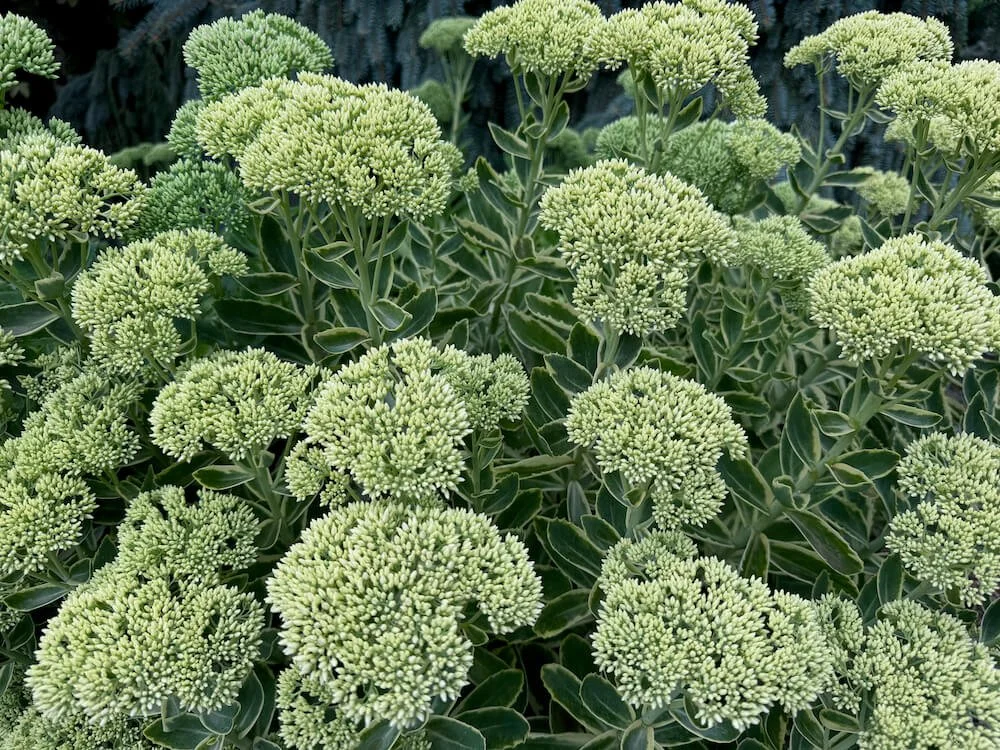
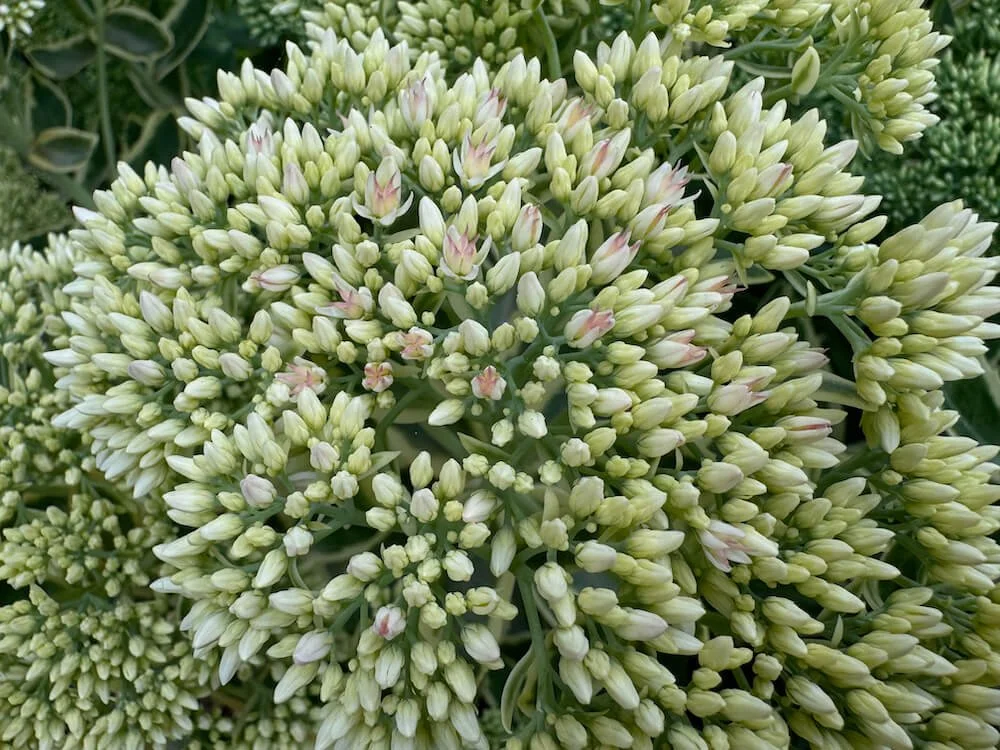
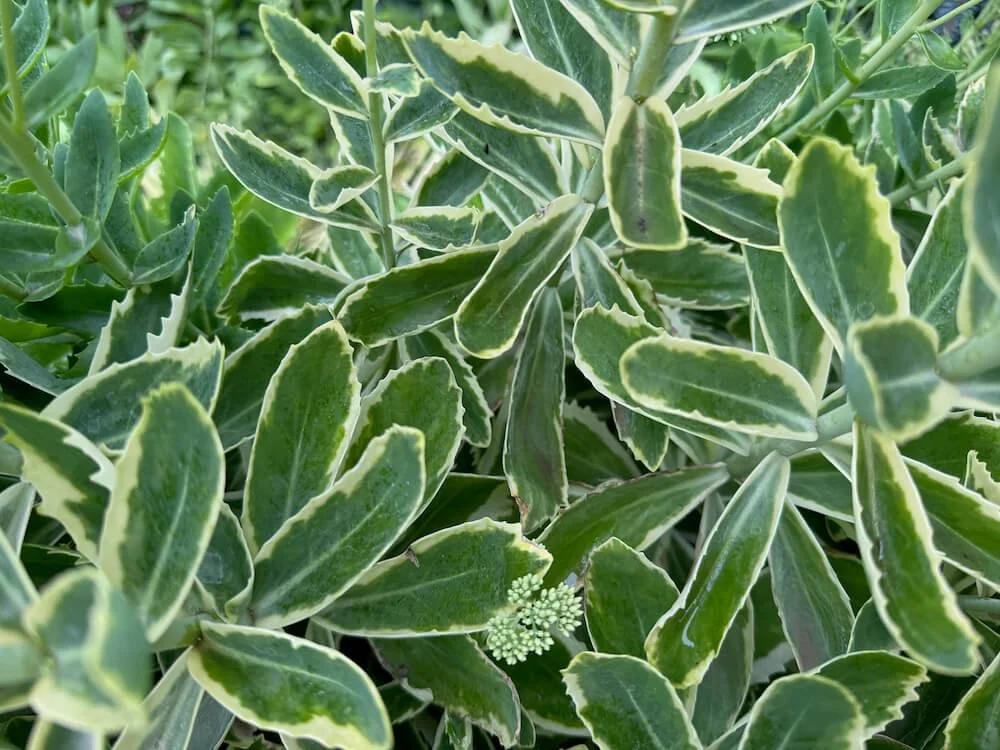
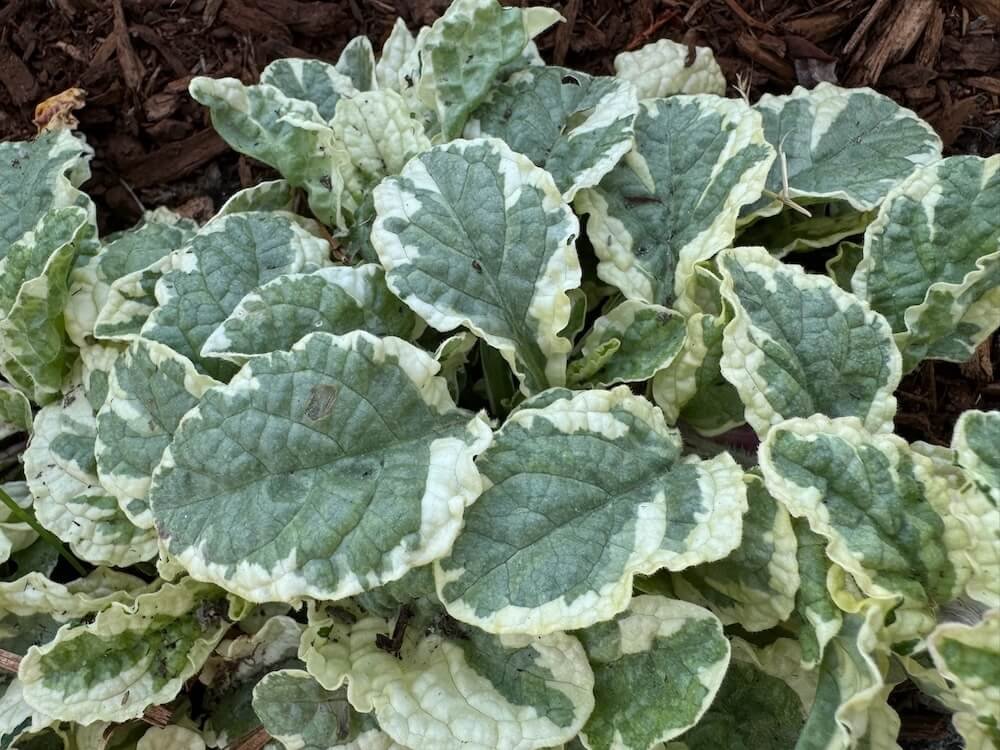
Sedum telephium ‘Lajos’ features fleshy, gray-green leaves edged with creamy yellow margins that often lighten toward near-white as the season progresses. In late summer to early fall, dense clusters of buds open into rounded heads of numerous tiny star-shaped, soft pink blossoms that can deepen to richer tones as bloom season advances.

In garden settings, ‘Lajos’ is well suited to borders, mixed perennial beds, rock gardens, and container plantings where its colorful leaves and prolonged floral display enrich late-season interest. The mounded habit makes it effective in mass plantings and as a cut flower, drawing pollinators while contributing texture and garden structure through summer and into fall.

DESCRIPTION
Sedum telephium ‘Lajos’ features fleshy, gray-green leaves edged with creamy yellow margins that often lighten toward near-white as the season progresses. In late summer to early fall, dense clusters of buds open into rounded heads of numerous tiny star-shaped, soft pink blossoms that can deepen to richer tones as bloom season advances.

In garden settings, ‘Lajos’ is well suited to borders, mixed perennial beds, rock gardens, and container plantings where its colorful leaves and prolonged floral display enrich late-season interest. The mounded habit makes it effective in mass plantings and as a cut flower, drawing pollinators while contributing texture and garden structure through summer and into fall.

 
  • Family: Crassulaceae
    Height: 12 to 18 in
    Width: 12 to 18 in
    Foliage color: Variegated green leaves edged with creamy yellow that lightens later in the season
    Flower color: Soft pink flowers that eventually develop brick red tones as they age
    Bloom time: Late summer to early fall
    Light requirements: Full sun
    Water requirements: Low to moderate moisture
    Maintenance: Low, remove spent flower clusters in late fall or early spring, divide clumps if centers thin with age
    Growing zone: USDA zones 3 to 9
    Wildlife attractors: Bees, butterflies, late-season pollinators

    This plant can be seen at the Monrovia Oregon Trial Garden.
    Print Information

    Buy Plants