
COMPLETE GUIDE
TO LILACS
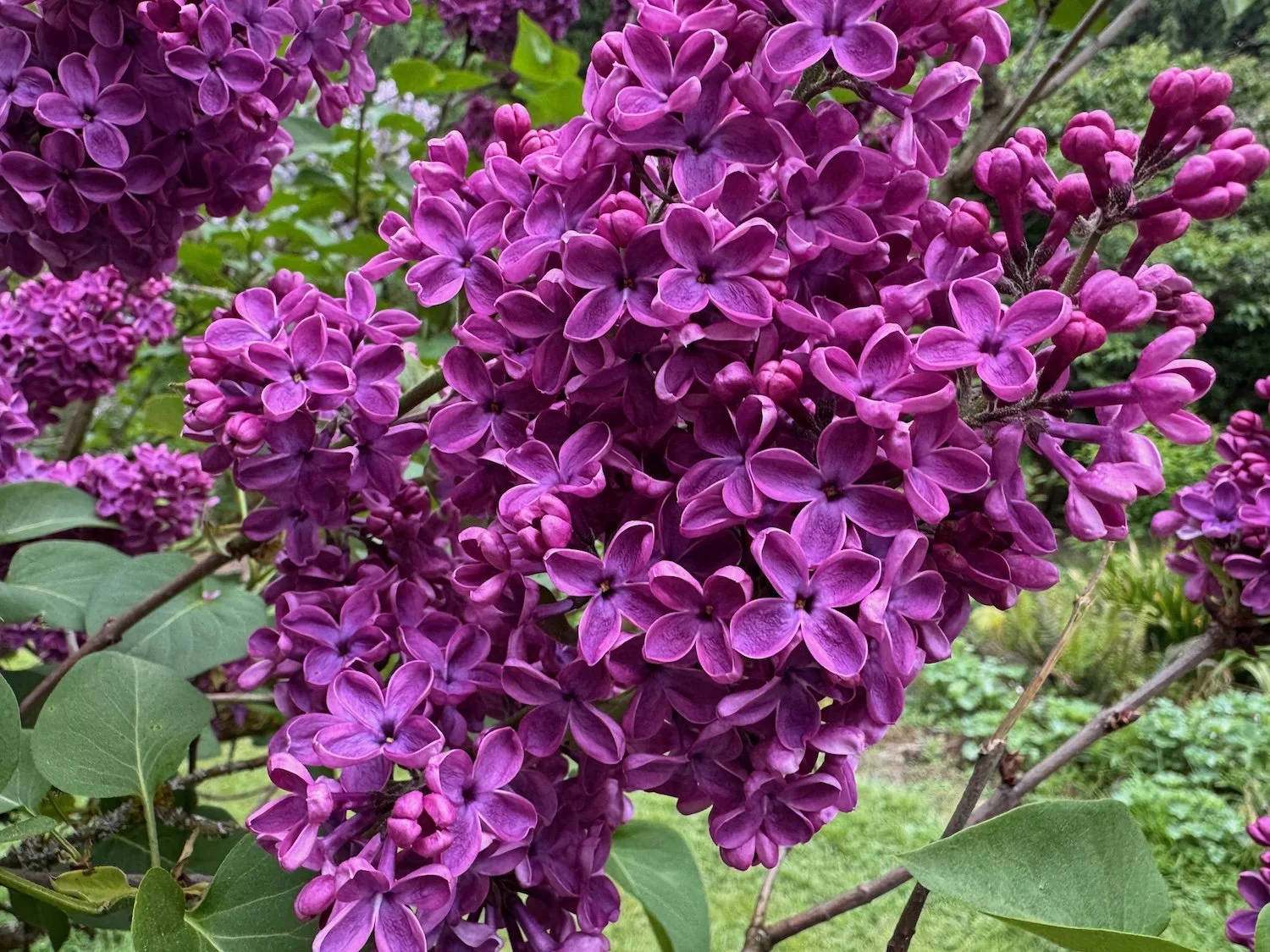
Lilacs bring an old-fashioned charm and cottage garden feel to the landscape, filling spring gardens with generous clusters of purple, lavender, pink, white, and blue flowers alongside heart-shaped foliage. Their familiar fragrance often brings a sense of nostalgia and becomes a seasonal tradition many gardeners eagerly anticipate each year. With variations in bloom timing, flower color, and growth habit, lilacs provide opportunities for extended interest while becoming long-lived, dependable shrubs that often feel like lasting companions in the garden.
TYPES OF LILACS
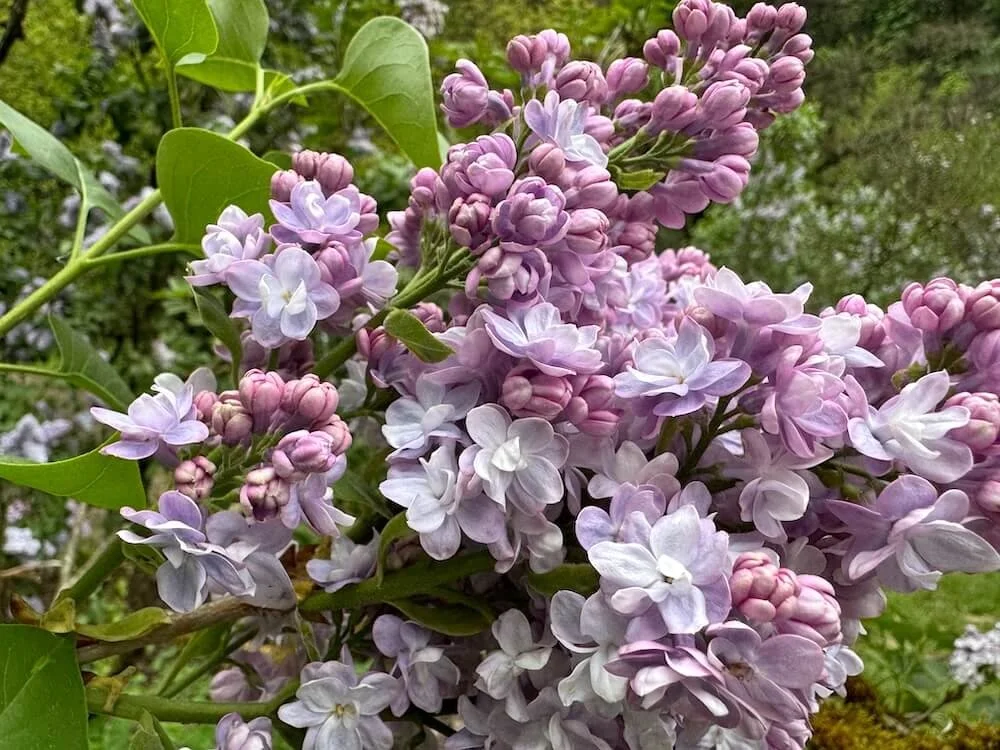
Lilacs come in a range of forms, from traditional upright shrubs covered in fragrant spring blooms to compact selections suited to smaller spaces and tree forms that provide structure and seasonal color. Some flower early, others bloom later, and reblooming varieties can extend the season even further. Understanding the major lilac groups can help gardeners choose varieties that fit their available space, design goals, and desired flowering season.
Common lilacs:
Traditional Syringa vulgaris varieties are the classic lilacs most gardeners recognize, valued for their strong fragrance, large flower panicles, and upright growth. These long-lived shrubs often become substantial landscape plants and are frequently associated with cottage gardens and older landscapes.
Compact and dwarf lilacs:
Smaller-growing lilacs provide the same familiar flowers and fragrance in a more manageable size. Their compact habits make them well suited to containers, foundation plantings, courtyards, and smaller gardens where full-sized lilacs may eventually outgrow the space.
Tree lilacs:
Unlike traditional shrub forms, tree lilacs develop into multi-stemmed or small tree-like forms with a more upright structure. They typically bloom slightly later and can provide seasonal color, fragrance, and architectural presence in the landscape.
Early, midseason, and late bloomers:
Different lilac varieties bloom at slightly different times, allowing gardeners to extend the flowering season by selecting a mix of early, midseason, and late selections. Combining bloom periods can create weeks of continuous spring color and fragrance.
Reblooming lilacs:
Some modern lilacs produce an initial spring display followed by additional flowering later in the season. Reblooming varieties help extend garden interest and provide repeat color beyond the traditional lilac season.

Classic Lilac Types
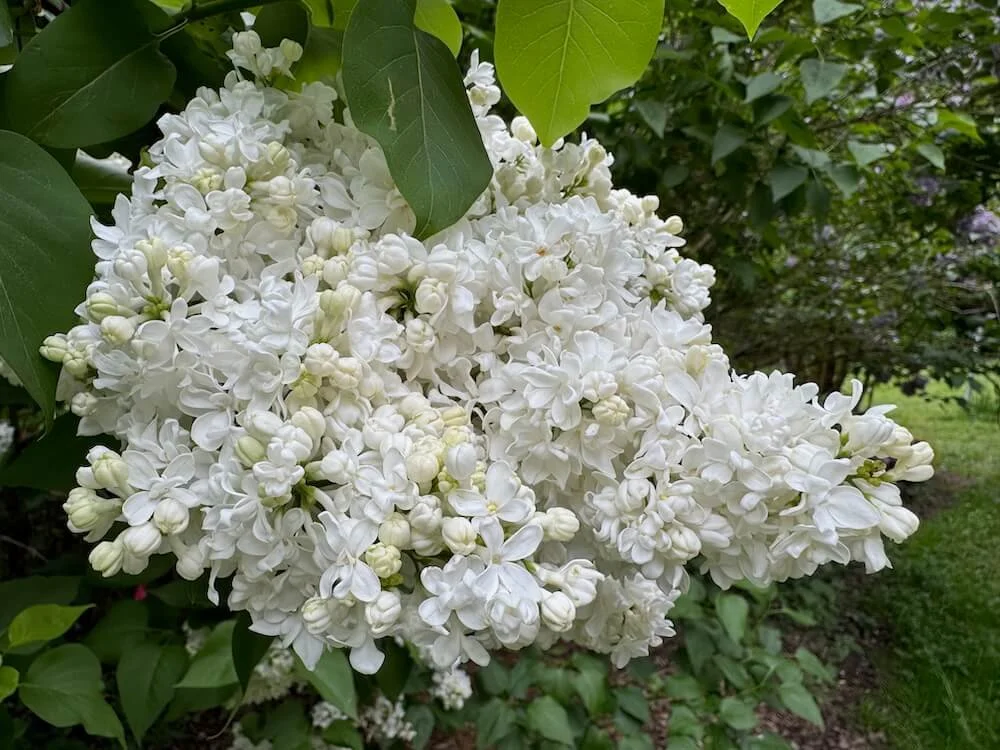
Syringa vulgaris ‘Miss Ellen Willmott’
Deciduous shrub with heart shaped green foliage and fragrant double white flower clusters adding elegant spring color. Forms upright growth and grows 8 to 12 feet tall. Ideal for hedges, borders, and cottage garden plantings. Zones: 3 to 7.
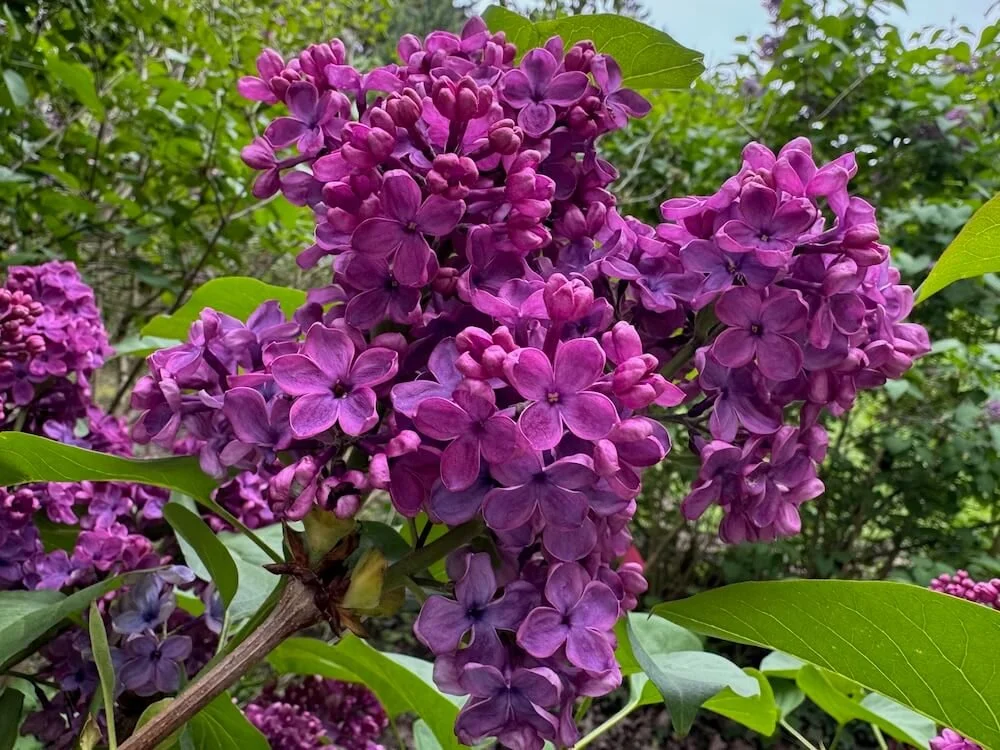
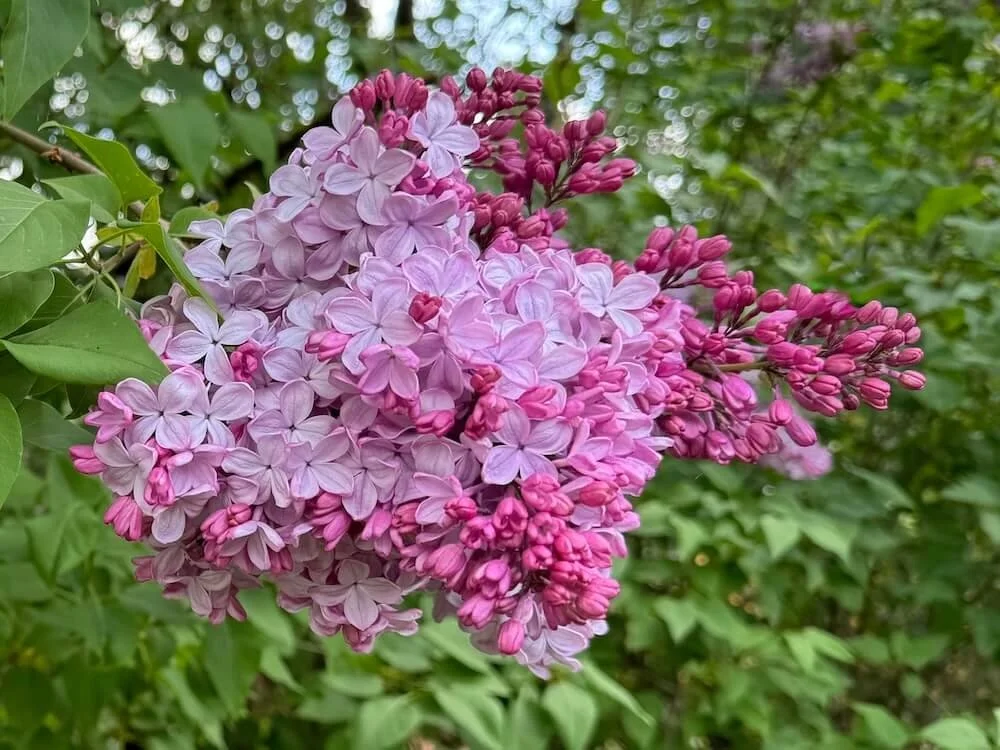
Syringa vulgaris 'Charles Joly'
Deciduous shrub with deep green foliage and richly fragrant double purple flower clusters creating bold spring color. Develops a full upright habit and grows 8 to 12 feet tall. Ideal for hedges, borders, and cottage garden plantings. Zones: 3 to 7.
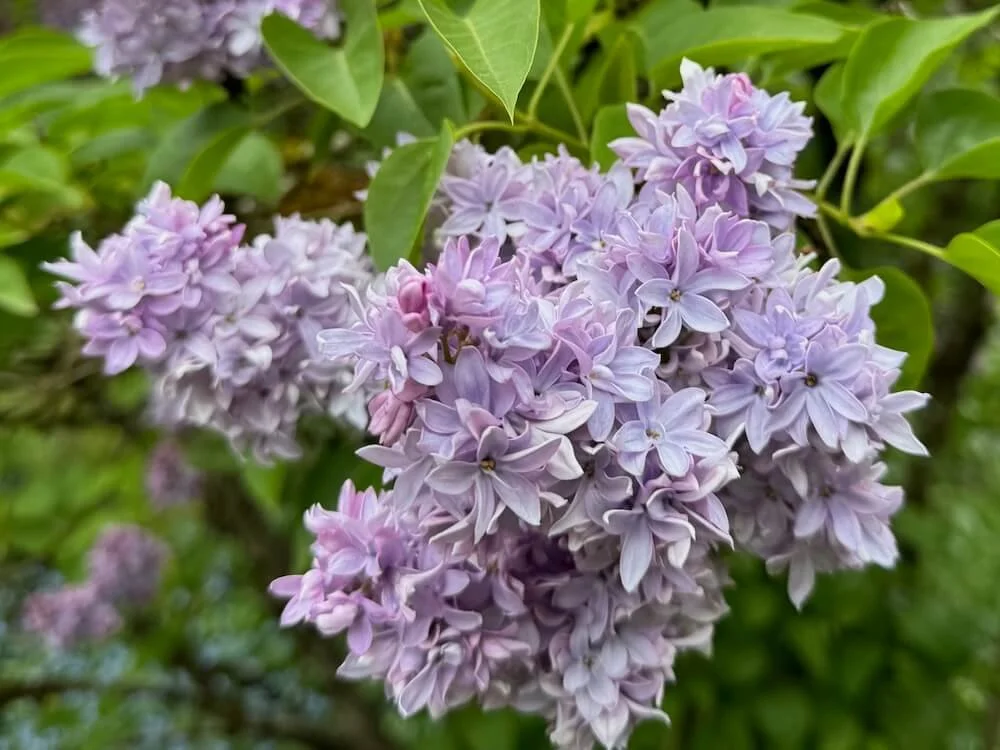
Syringa vulgaris 'President Grevy'
Deciduous shrub with heart shaped green foliage and fragrant double lavender blue flower clusters adding cool spring color. Forms a tall upright habit and grows 10 to 12 feet tall. Ideal for hedges, specimen plantings, and cottage garden borders. Zones: 3 to 7.
Other Notable Classic Lilacs
Syringa vulgaris 'President Lincoln': Among the best deep blue-purple lilacs, producing large flower clusters
Syringa vulgaris 'Katherine Havemeyer': Soft lavender-pink double flowers with excellent fragrance
Syringa vulgaris 'Madame Lemoine': One of the finest white lilacs, known for abundant double flowers and strong fragrance
Syringa vulgaris 'Yankee Doodle': Exceptionally dark purple flowers with rich color that holds well as blooms mature
Syringa vulgaris 'Belle de Nancy': Fragrant double blooms in soft pink-lavender tones
PLANTING & CARE OF LILACS
When to plant:
Lilacs can be planted in spring or fall, with March through May and September through October often providing the most favorable conditions for establishment. Planting when soil temperatures are between about 50°F and 70°F encourages active root growth while avoiding the stresses associated with summer heat or frozen ground. In colder climates, spring planting gives roots additional time to settle before winter arrives, while milder regions can successfully plant in early fall when soil remains workable.
Where to plant:
Lilacs perform best in locations receiving full sun, ideally at least 6 to 8 hours of direct sunlight per day. Morning and midday sun are particularly beneficial, although plants tolerate afternoon sun well in most climates. Adequate sunlight encourages stronger flowering, denser growth, and improved air circulation around the plant, helping reduce the risk of foliar diseases such as powdery mildew.
How to plant:
Prepare the planting area by loosening the soil and incorporating compost or other organic matter if needed to improve structure and drainage. Most lilacs are sold in 1 to 3 gallon containers, and the planting hole should be about twice as wide as the root ball but no deeper. Position the plant so it sits at the same depth it was growing in the nursery container, as planting too deeply can reduce vigor over time. Backfill gently, firm the soil lightly, and water thoroughly to eliminate air pockets and encourage roots to spread into the surrounding soil.
Soil:
Lilacs prefer fertile, well-drained soil and generally perform best in neutral to slightly alkaline conditions with a pH between about 6.5 and 7.5. Incorporating compost, leaf mold, or other organic matter before planting helps improve soil structure and moisture retention. Heavy clay soils should be amended to improve drainage, while sandy soils benefit from added organic matter to retain moisture and nutrients. A light application of a balanced slow-release fertilizer such as 10-10-10 or 5-10-5 mixed into the soil according to label directions can help support early root establishment and healthy growth. Poor drainage can contribute to root problems and reduced plant vigor over time. After planting, apply a 2 to 3 inch layer of shredded bark, compost, leaf mold, or pine bark mulch around the root zone, keeping mulch several inches away from the stems to promote good air circulation and discourage rot.
Watering and fertilizing:
Regular watering is most important during establishment and periods of prolonged drought. Newly planted lilacs generally benefit from about 1 inch of water per week, applied once or twice weekly depending on rainfall and soil conditions. Established plants are relatively drought tolerant but benefit from occasional deep watering every 10 to 14 days during extended periods of hot, dry weather. Lilacs typically require minimal feeding. Excess fertilizer, especially high-nitrogen formulations, can encourage leafy growth at the expense of flowering. An annual application of a balanced fertilizer such as 5-10-5 or 10-10-10 in early spring is usually sufficient, although plants growing in poor soils may benefit from a second light feeding six to eight weeks later. Overfertilizing should be avoided, as excessive nutrients can reduce bloom production and encourage weak
Pruning and deadheading:
Prune immediately after flowering, as next year's buds begin developing soon afterward. Spent flower clusters can be removed by cutting just above the first pair of healthy leaves or lateral shoots beneath the faded bloom, taking care not to remove developing buds for the following season. Occasional thinning helps maintain shape and encourage vigorous growth. Older stems can be selectively removed at their point of origin near the base of the plant to improve air circulation and stimulate replacement growth. Avoid shearing or heavy pruning later in summer, fall, or winter, as this can remove flower buds and significantly reduce blooming the following year. Mature plants can be rejuvenated over several years by removing up to one-third of the oldest stems annually, cutting them back to within a few inches of the ground to encourage strong new shoots. growth.
Air circulation:
Good spacing and airflow help reduce problems such as powdery mildew and improve overall plant health. Avoid overly crowded locations where foliage remains damp for extended periods.
Long-term maintenance:
Older lilacs can become dense or overgrown with age. Periodic thinning or rejuvenation pruning helps restore vigor and maintain attractive flowering over time.
Compact Lilac Types
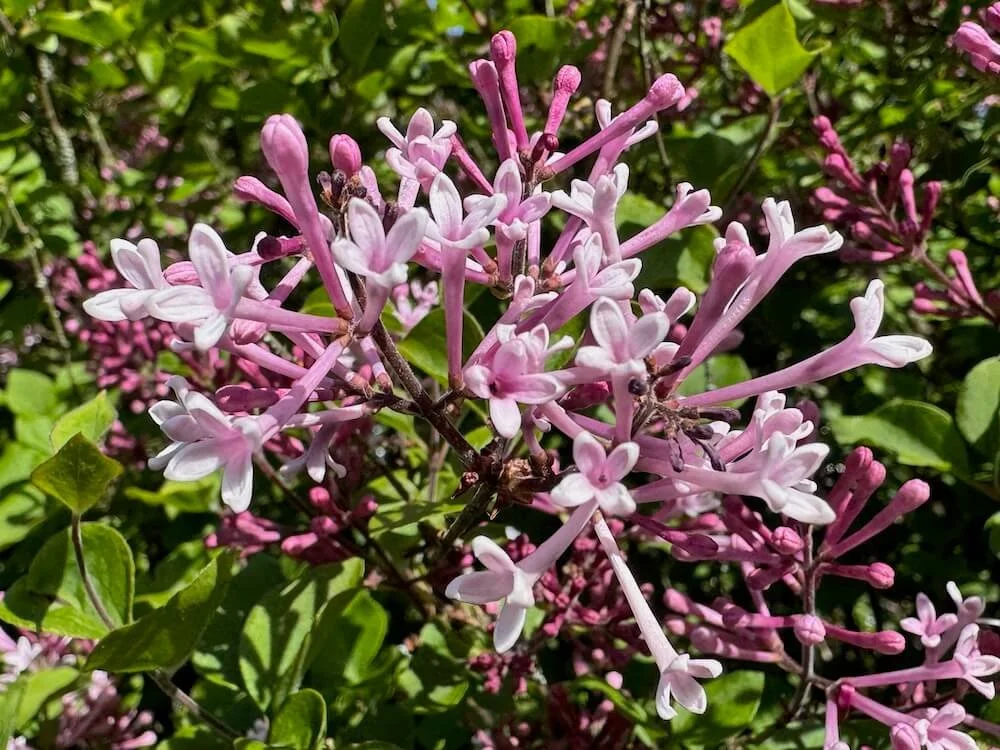
Syringa x 'Bloomerang Dark Purple'
Deciduous shrub with compact green foliage and richly fragrant dark pink flower clusters providing repeat blooms. Forms a rounded habit and grows 4 to 6 feet tall. Ideal for borders, low hedges, and cottage garden plantings. Zones: 3 to 7.
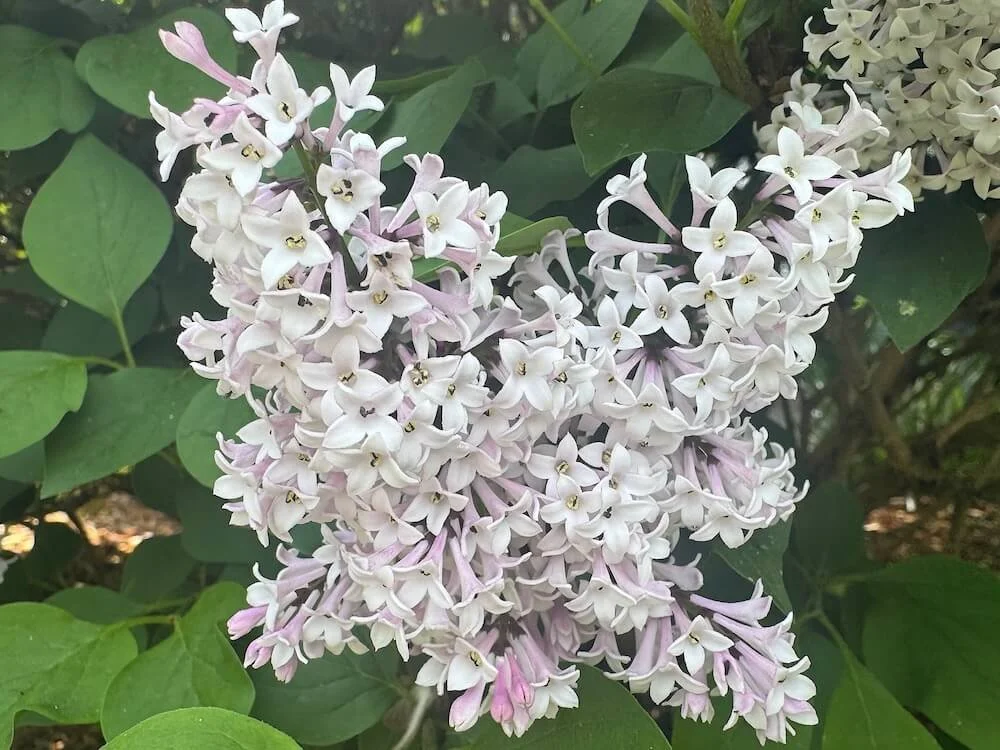
Syringa 'SMSDTL'
Deciduous shrub with lush green foliage and fragrant soft lavender flower clusters bringing gentle spring color. Creates a compact rounded form and grows 4 to 6 feet tall. Ideal for borders, foundation plantings, and smaller garden spaces. Zones: 3 to 7.
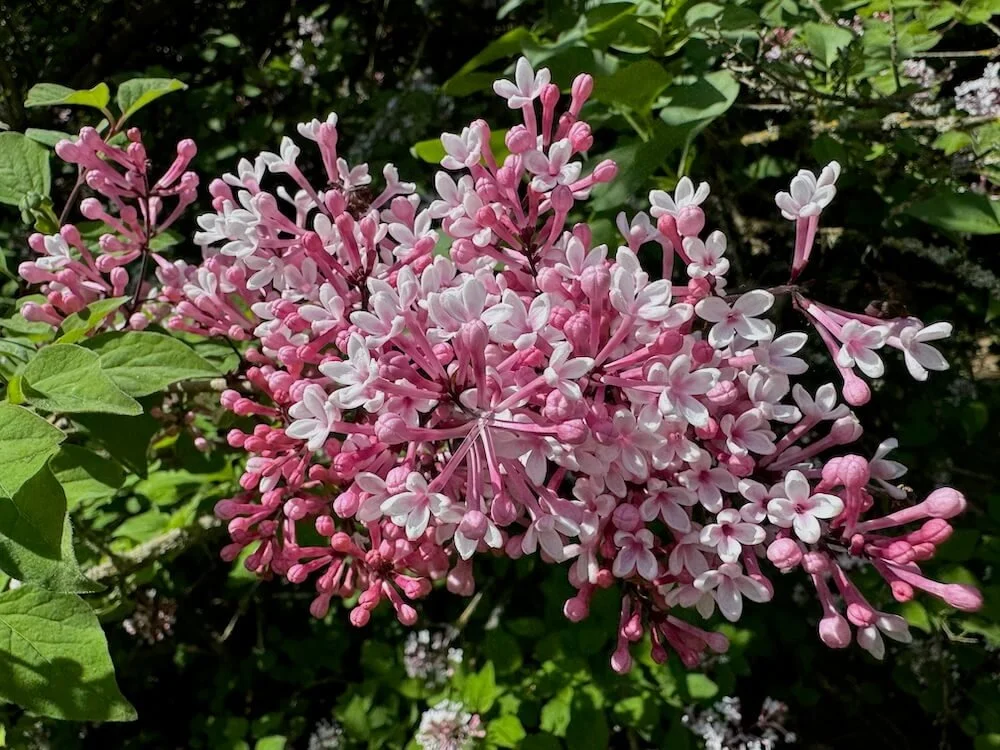
Syringa pubescens subsp. microphylla 'Superba'
Deciduous shrub with small green foliage and intensely fragrant rosy flower clusters. Develops a broad mounded habit and grows 4 to 6 feet tall. Ideal for borders, pathways, and cottage gardens. Zones: 4 to 7.
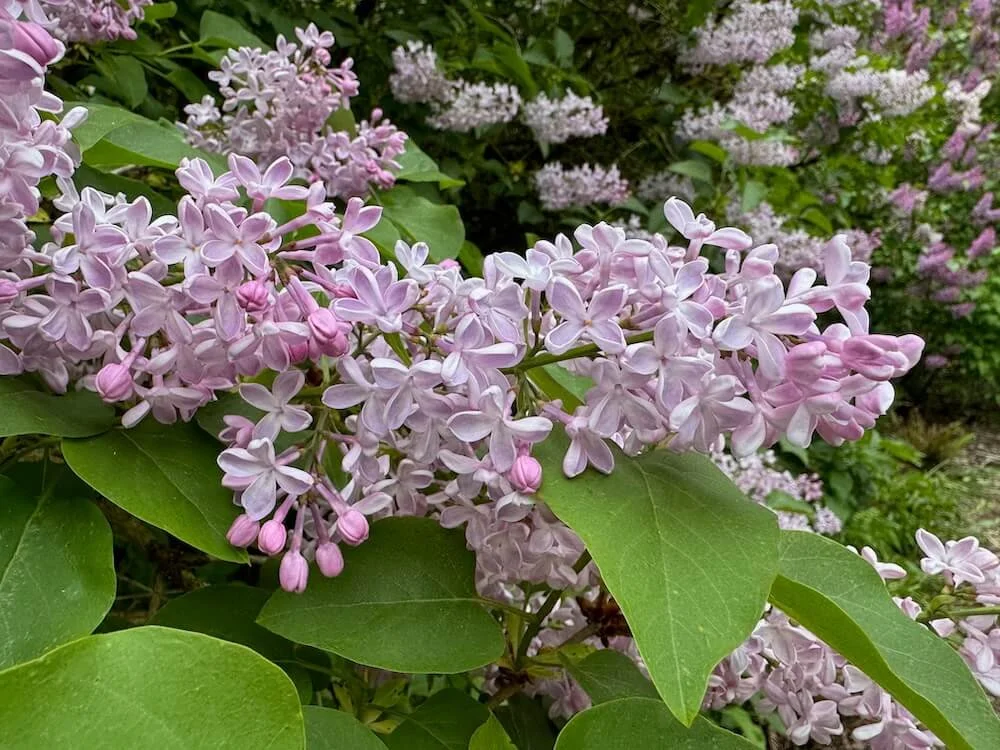
DESIGN USES OF LILACS
Hedges and screening:
Larger lilacs can create informal flowering hedges that provide seasonal privacy and structure. Dense branching and abundant spring blooms add both function and ornamental value.
Fragrance gardens:
Lilacs are natural choices near patios, walkways, seating areas, and entrances where their fragrance can be enjoyed up close. Placement near frequently used spaces helps maximize their seasonal appeal.
Foundation plantings:
Compact varieties work well around homes and smaller garden spaces where full-sized lilacs would eventually become too large. Their manageable size allows them to soften architectural lines without overwhelming nearby plantings.
Cottage gardens:
Lilacs pair naturally with peonies, roses, and traditional perennials, fitting comfortably into layered cottage-style plantings. Their relaxed growth and seasonal flowers complement informal garden designs.
Cut flower gardens:
Large flower panicles make excellent additions to floral arrangements and indoor displays. Planting several varieties with staggered bloom times can extend the cutting season.
Small-space gardens:
Dwarf and reblooming lilacs allow gardeners with limited space to enjoy lilac flowers and fragrance. Smaller forms fit easily into urban gardens, narrow borders, and patio plantings.
Specimen plants:
Tree lilacs and unusual selections can serve as focal points where their flowers, shape, or distinctive characteristics can be appreciated individually.
Wildlife-friendly gardens:
Lilac flowers attract pollinators such as butterflies and bees during bloom season, contributing to a more active and diverse garden environment.
Unique Lilac Types
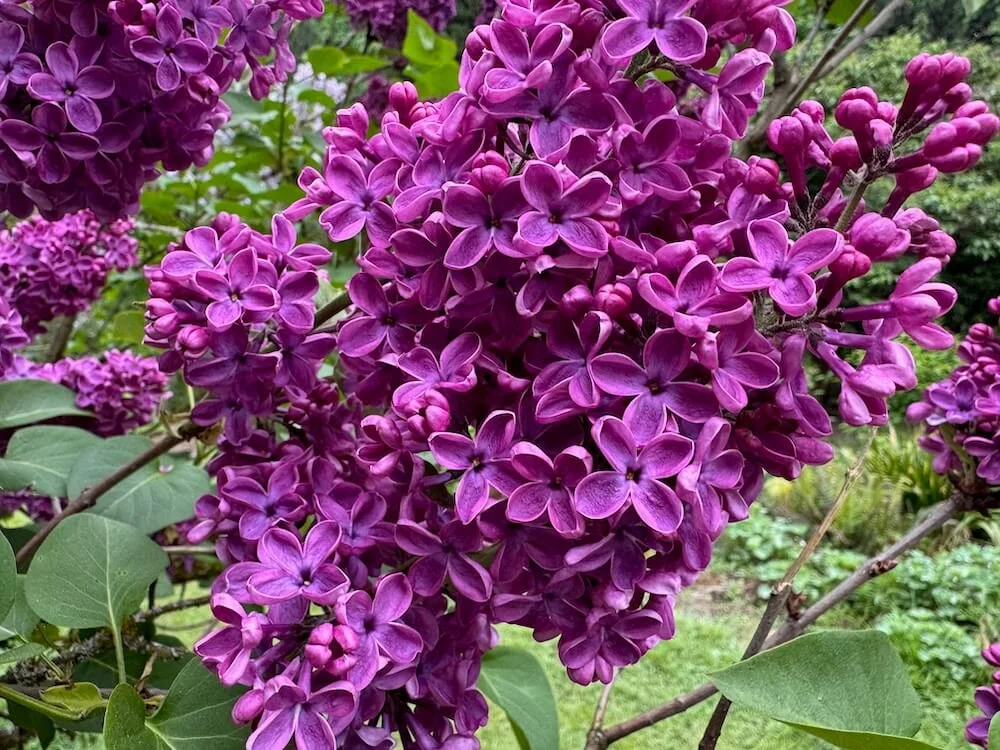
Syringa vulgaris ‘Andenken an Ludwig Spath’
Deciduous shrub with dark green foliage and richly fragrant deep purple flower clusters creating dramatic spring color. Forms a vigorous upright habit and grows 10 to 12 feet tall. Ideal for hedges, back borders, and classic garden plantings. Zones: 3 to 7.
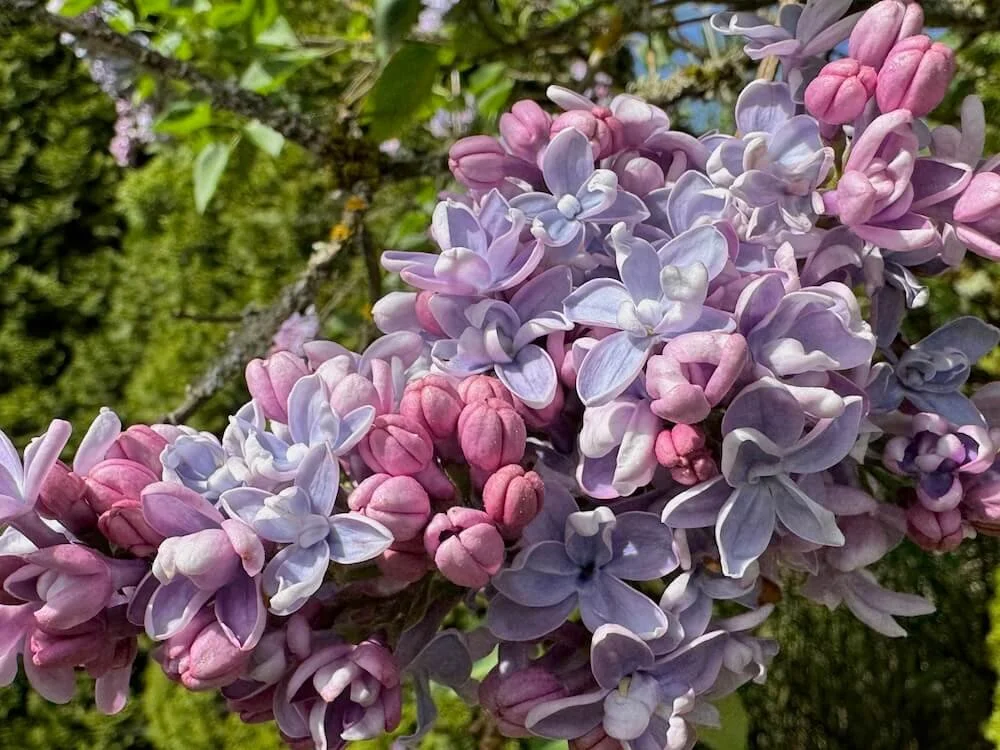
Syringa vulgaris 'Nadezhda'
Deciduous shrub with medium green foliage and fragrant lavender flower clusters opening from rosy pink buds for layered spring color. Develops a broad upright habit and grows 8 to 12 feet tall. Ideal for hedges, specimen plantings, and cottage garden borders. Zones: 3 to 7.
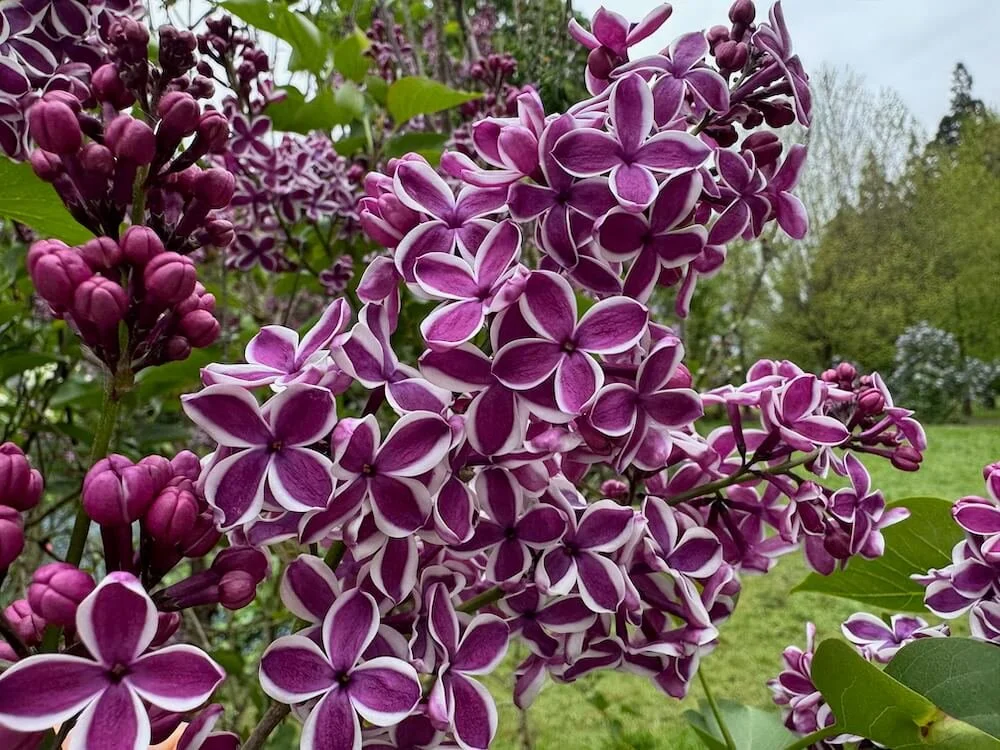
Syringa vulgaris 'Sensation'
Deciduous shrub with green foliage and fragrant purple flower clusters edged in white creating bold spring contrast. Forms a tall upright habit and grows 8 to 12 feet tall. Ideal for hedges, specimen plantings, and cottage garden borders. Zones: 3 to 7.
Other Notable Unique Lilacs
Syringa vulgaris 'Primrose': Soft creamy-yellow flower buds and pale buttery blooms; one of the few lilacs with yellow tones
Syringa vulgaris 'Little Boy Blue': Unusual soft blue-lavender flowers with a cooler coloration not commonly seen in lilacs
Syringa x hyacinthiflora ‘Declaration’: Vivid reddish-purple flowers paired with bronzy spring foliage
Syringa Vulgaris 'Angel White': Large pure white flowers with a luminous appearance and clean coloration
Syringa x hyacinthiflora 'Pocahontas': Extremely dark flower buds and early bloom timing
GARDEN TOURS • WASHINGTON
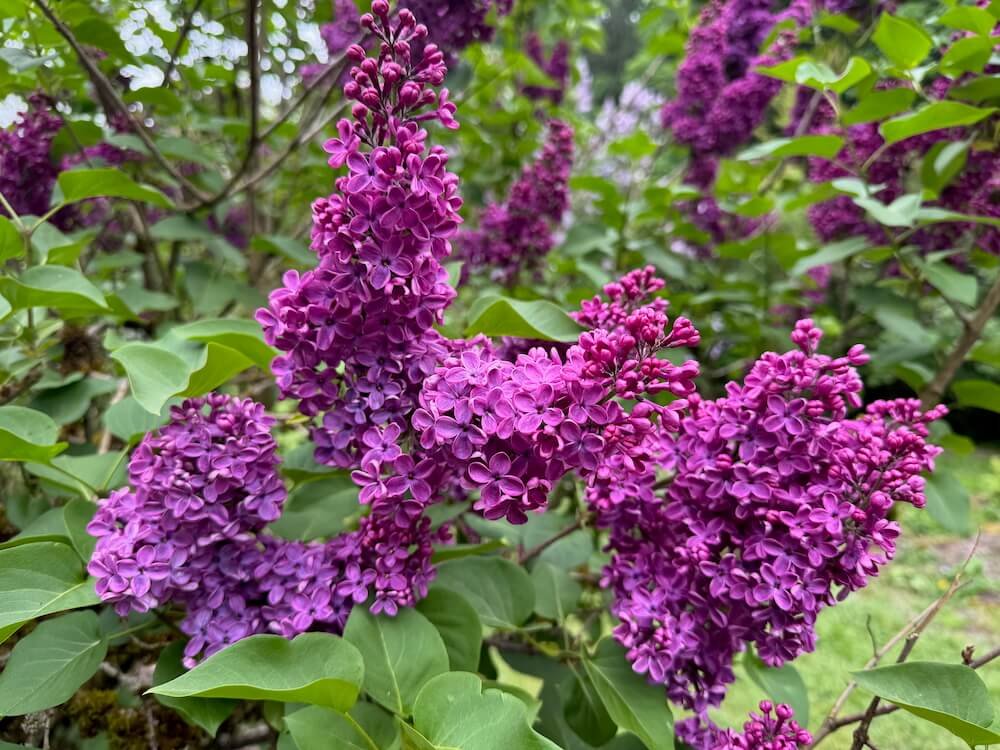
Hulda Klager Lilac Gardens
Hulda Klager Lilac Gardens features historic gardens filled with hundreds of fragrant lilac varieties surrounding Hulda Klager’s preserved Victorian home, creating a spring destination known for colorful blooms, heritage plantings, and a nostalgic atmosphere that draws gardeners, flower enthusiasts, and photographers each year.