
Winter Blooming Shrubs

Pieris japonica 'Shy'
Evergreen shrub with glossy green leaves, red new growth and clusters of soft pink bell-shaped flowers. Grows 3 to 5 feet tall, tolerates light pruning; ideal for hedges, borders, and screens. Zones: 5 to 8.
Winter blooming shrubs bring unexpected color and interest to the garden during its quietest season, often flowering when little else is in bloom. Their blossoms range from soft whites and creams to shades of pink and yellow, sometimes appearing on bare branches or against evergreen foliage. Many offer a light fragrance that carries on cool air, adding another layer of appeal.
Selected for their ability to flower in cold conditions, these shrubs provide structure and subtle beauty when the landscape can feel sparse. Some brighten entryways and pathways, while others are best placed where they can be enjoyed from indoors. Winter bloomers add continuity to the garden, ensuring there is always something of interest, even in the colder months.
WITCH HAZEL (Hamamelis)
01


Winter-blooming witch hazel brings color and fragrance to the garden during the colder months. Hamamelis x intermedia ‘Jelena’ (shown here) is grown for its spidery, copper-orange blooms that unfurl along bare branches, creating a warm, glowing display against the winter landscape. The ribbon-like petals and open branching structure add both movement and architectural interest at a time when little else is in bloom.
These shrubs are well suited to borders, woodland edges, or specimen plantings where their flowers can be clearly seen. Hamamelis mollis offers soft yellow blooms with a noticeable fragrance, while Hamamelis vernalis ‘Christmas Cheer’ brings earlier flowering and a lighter, airy presence. Hamamelis x intermedia ‘Diane’ adds depth with rich red flowers that contrast strongly against the branches. Together, these selections provide early seasonal color, scent, and a sculptural presence through late winter.
Related: See All Witch Hazels ➔
MANZANITA (Arctostaphylos)
02
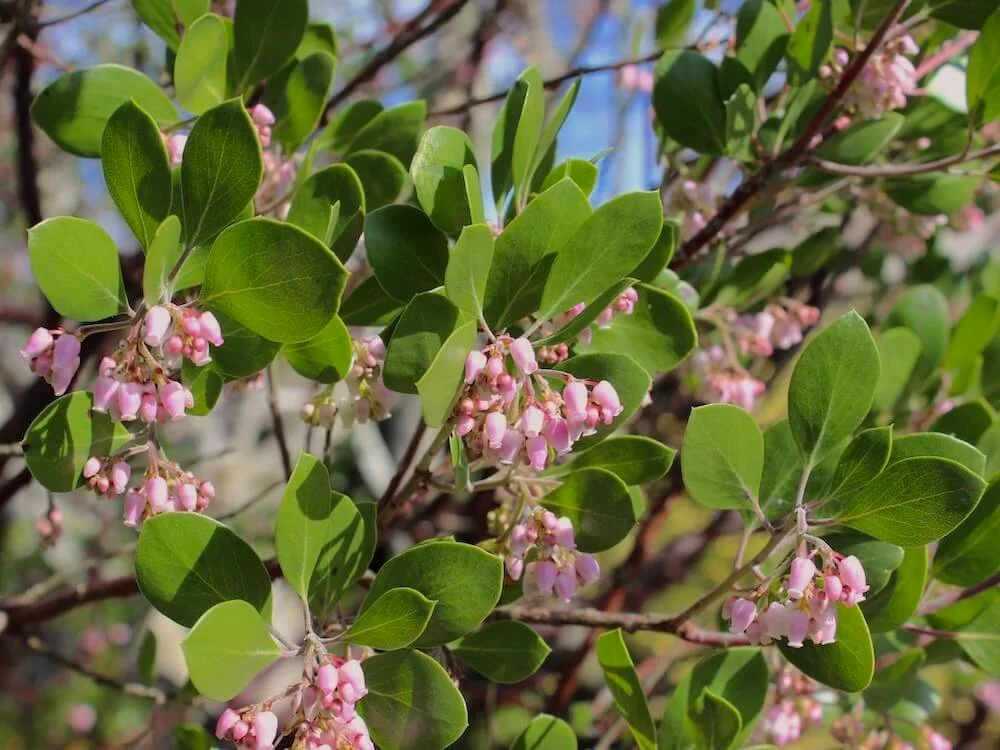
Winter-blooming manzanita brings structure, color, and early nectar to the garden, with flowers appearing from late fall into winter and often continuing into early spring. Arctostaphylos manzanita is grown for its sculptural branching and clusters of small, urn-shaped flowers in soft pink to white, set against evergreen foliage. Its smooth, reddish bark adds another layer of interest, creating a strong architectural presence throughout the season.
These shrubs are well suited to slopes, dry borders, or naturalized plantings where their form and seasonal detail can be appreciated. Arctostaphylos manzanita ‘Hood Mountain’ offers a dense, mounding habit that provides fuller coverage, while Arctostaphylos ‘Red Stem’ highlights rich, colorful bark paired with gray-toned foliage that adds contrast and a softer texture within the planting. Together, these selections provide winter bloom, drought tolerance, and a distinctive, structural element in the landscape.
CAMELLIA
03
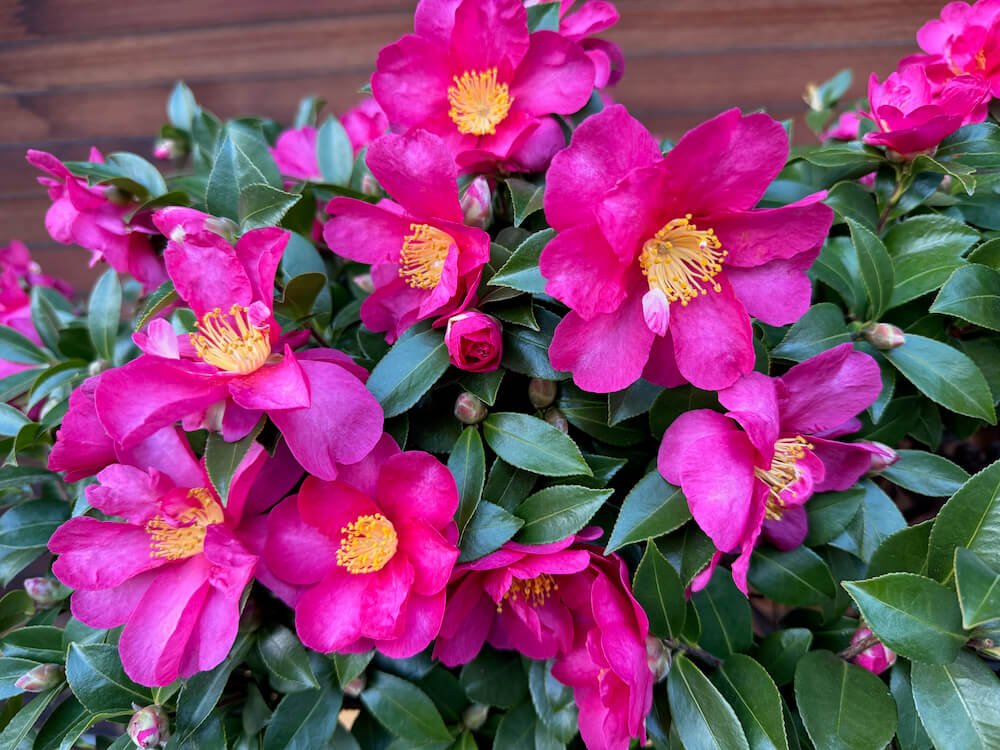
Winter-blooming camellias bring color and structure to the garden during the colder months, with flowers opening from late fall into winter and often continuing into early spring. Camellia sasanqua ‘Yuletide’ is grown for its bright red, single blooms with golden centers, creating a clear focal point against glossy evergreen foliage. Its steady flowering and upright habit provide reliable interest when much of the garden is subdued.
They fit naturally into borders, hedges, or foundation plantings where their blooms are easily visible. Camellia sasanqua ‘Kanjiro’ (shown here) adds rich pink flowers with a fuller form, while Camellia x williamsii ‘Buttermint’ offers creamy white blooms that bring a lighter tone to winter plantings. Camellia x lutchuensis ‘Minato-no-Akebono’ contributes a more delicate presence with pale pink flowers and a light fragrance. Together, these selections provide extended winter bloom and evergreen structure.
Related: Explore All Camellias ➔
PIERIS
04
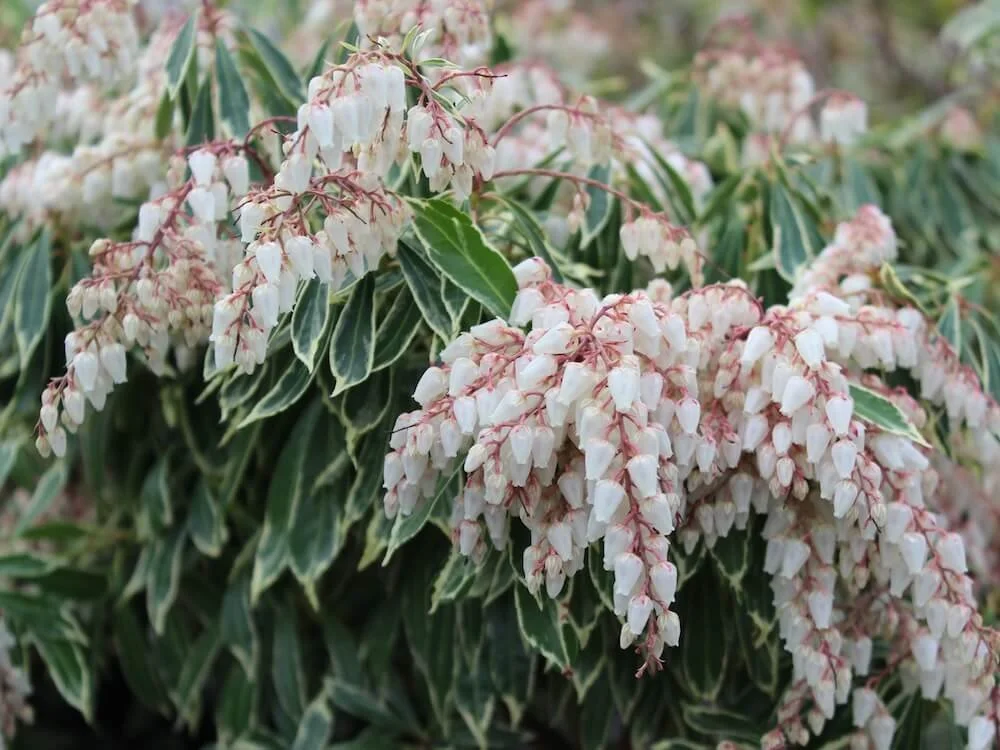
Winter to early spring-blooming pieris brings layered color and refined texture to the garden, with flowers opening from late winter into early spring alongside fresh new growth. Pieris japonica ‘Valley Valentine’ is grown for its deep pink, urn-shaped flowers that hang in cascading clusters, creating a rich display against glossy evergreen foliage. Its naturally compact, mounded habit provides structure while adding early-season interest.
These shrubs are well suited to woodland edges, foundation plantings, or shaded borders where their detail can be clearly seen. Pieris japonica ‘Cavatine’ offers a smaller, tidy form with white flowers, while ‘Variegata’ (shown here) and ‘Flaming Silver’ introduce variegated foliage that brightens the planting throughout the year. Together, these selections provide early bloom, colorful new growth, and a layered, textural presence in late winter and spring gardens.
Related: See All Pieris Varieties ➔
GREVILLEA
05
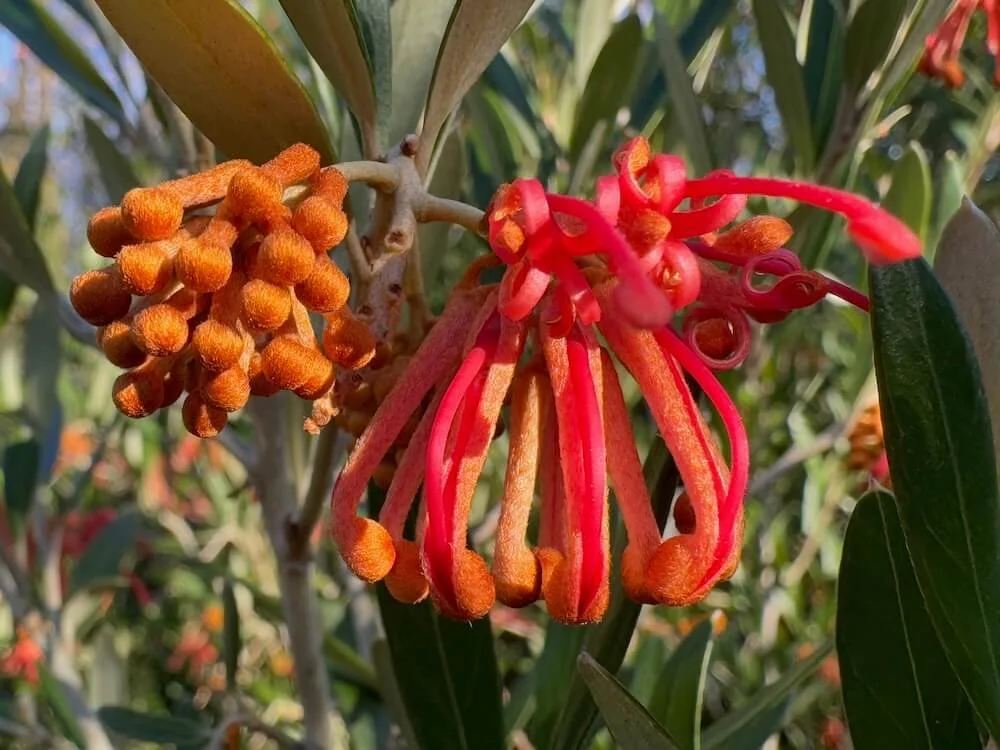
Winter-blooming grevillea brings bold color and a distinctive texture to the garden during the cooler months, with flowers appearing from fall into winter and often continuing into early spring. Grevillea victoriae is grown for its clusters of spider-like flowers in shades of orange to red, set against narrow, gray-green foliage that adds contrast and a slightly silvery cast. Its open, branching habit creates a strong, informal structure while supporting steady bloom and pollinator activity.
These shrubs are well suited to slopes, coastal plantings, or dry borders where their form and seasonal color can be clearly seen. Grevillea x ‘Poorinda Leane’ offers a more compact habit with soft orange colored blooms, while Grevillea victoriae ‘Marshall Olbricht’ (shown here) provides a fuller, denser presence with warm-toned flowers that stand out against the foliage. Together, these selections provide extended bloom, drought tolerance, and a bold, textural element in winter landscapes.
SILK TASSEL (Garrya)
06
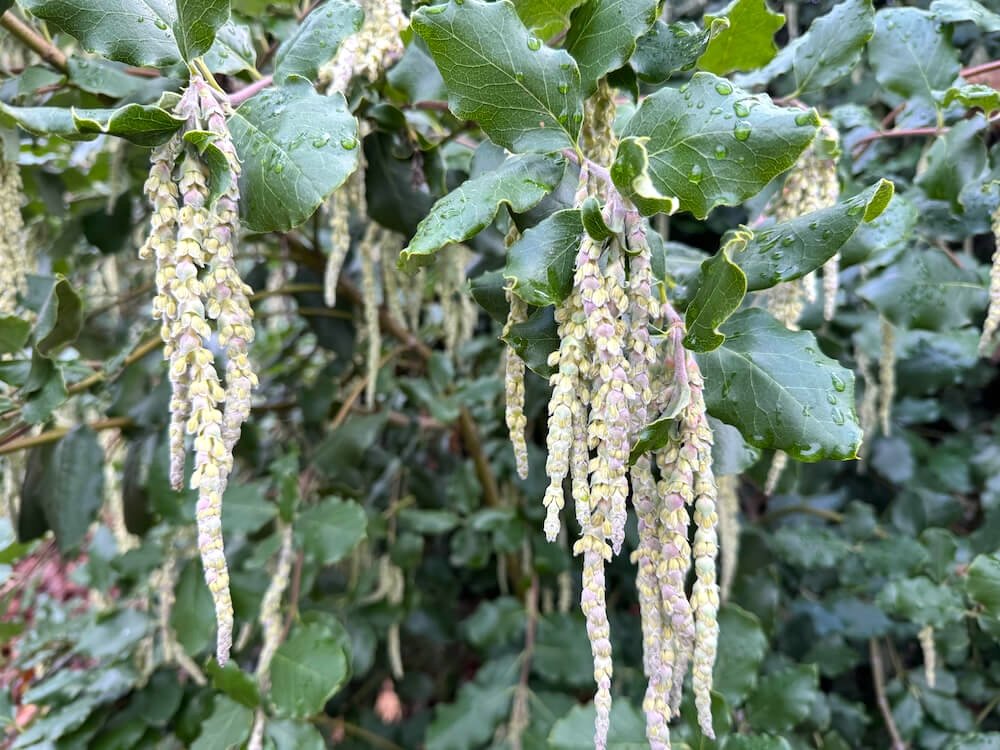
Winter-blooming silk tassel brings movement and texture to the garden, with long, pendant catkins appearing from late winter into early spring. Garrya elliptica (shown here) is grown for its evergreen foliage and dramatic, silvery tassels that hang in loose strands, often showing a subtle hint of lavender, creating a flowing display against dark green leaves. Its upright, somewhat open habit adds structure while allowing the catkins to stand out clearly.
These shrubs are well suited to slopes, coastal plantings, or sheltered borders where their form and seasonal detail can be easily seen. Garrya x issaquahensis ‘Carl English’ produces especially long, showy catkins that enhance the overall effect and add a stronger visual presence. Together, these selections provide winter interest, textural contrast, and a distinctive element in the landscape.
RHODODENDRON
07
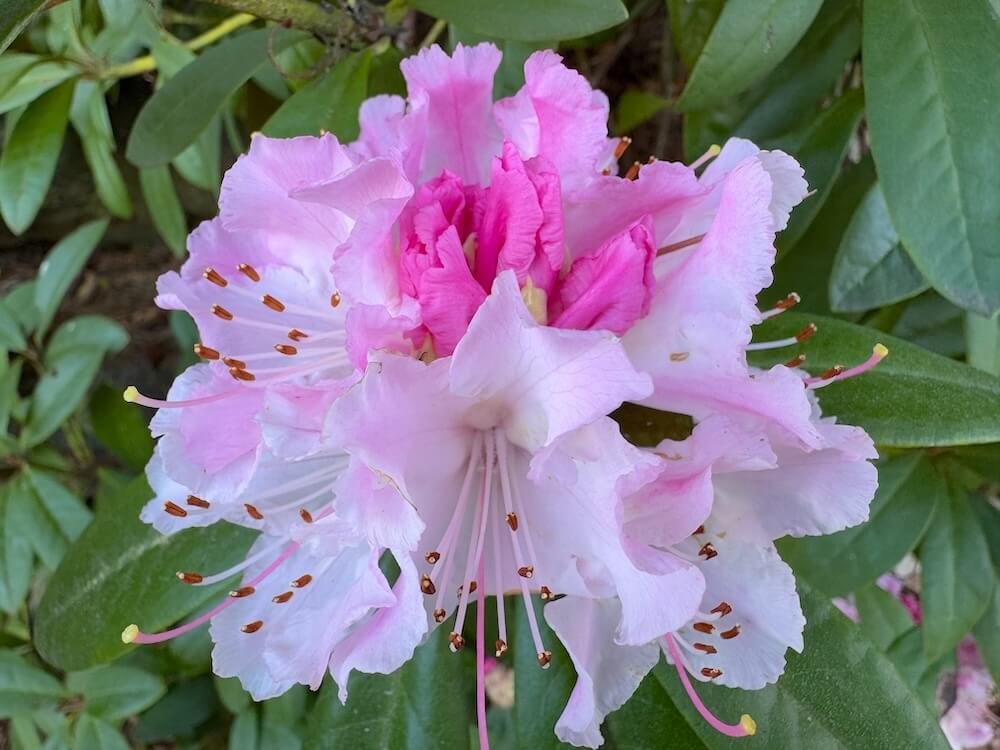
Winter-blooming rhododendrons bring early color and structure to the garden, with flowers opening from late winter into early spring, often ahead of the main spring display. Rhododendron ‘Christmas Cheer’ (shown here) is grown for its soft pink blooms that appear in loose clusters, creating a light, airy effect against evergreen foliage. Its reliable early flowering adds a gentle transition between winter and spring.
These shrubs are well suited to woodland edges, shaded borders, or foundation plantings where their blooms can be easily seen. Rhododendron ‘Pink Snowflake’ offers delicate pink flowers with a refined presence, while Rhododendron mucronulatum ‘Cornell Pink’ adds a different character, blooming on bare stems with bright pink flowers before the foliage emerges. Together, these selections provide early seasonal color, varied form, and a soft introduction to the spring garden.
Related: Explore All Rhododendrons ➔
OREGON GRAPE (Mahonia)
08
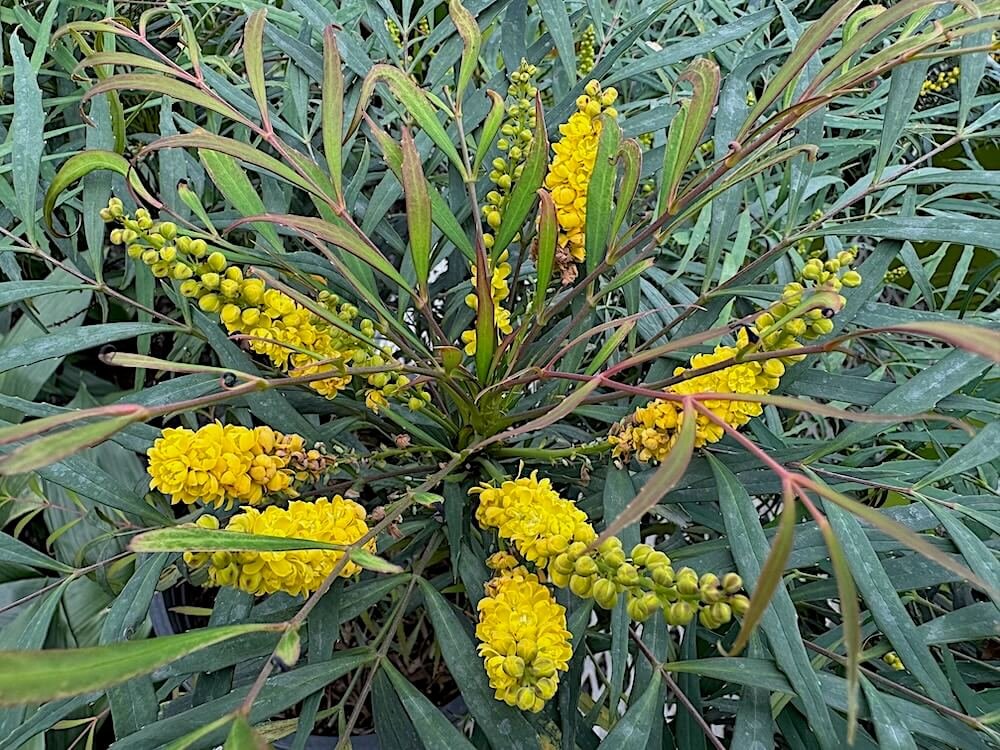
Winter-blooming mahonia brings structure, fragrance, and bright color to the garden during the colder months, with flowers appearing from late fall into winter. Mahonia x media ‘Charity’ is grown for its tall, upright form and long sprays of fragrant yellow flowers that stand out against bold, evergreen foliage. Its strong architectural presence adds height and winter interest when much of the garden is quiet.
These shrubs work well in borders, woodland edges, or foundation plantings where their blooms can be clearly seen. Mahonia x media ‘Arthur Menzies’ offers a similarly upright habit with slightly more open flowering, while Mahonia eurybracteata subsp. ganpinensis ‘Soft Caress’ provides a softer look with fine, spineless foliage and a more compact form. Together, these selections provide winter color, structure, and a refined presence in sheltered garden settings.
PAPER BUSH (Edgeworthia)
09
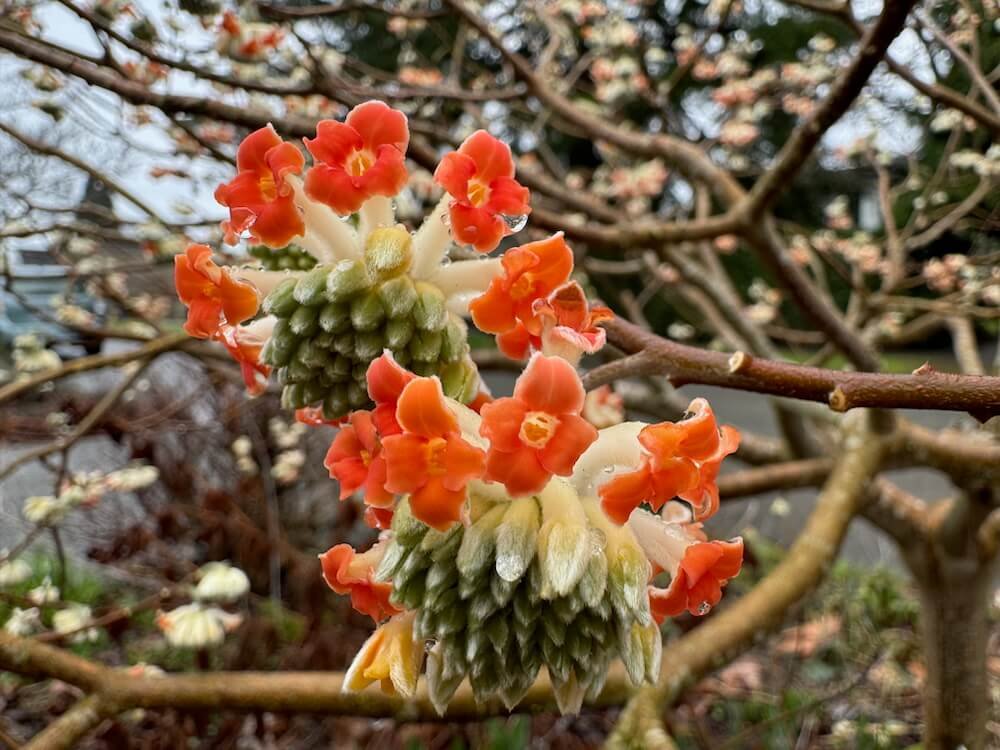
Winter-blooming paperbush brings fragrance and soft color to the garden during the colder months, with flowers opening from late winter into early spring along bare, sculptural branches. Edgeworthia chrysantha is grown for its clusters of nodding, tubular yellow flowers that appear in rounded heads, releasing a noticeable, sweet fragrance. Its branching structure creates a distinctive silhouette that adds interest even before bloom.
These shrubs are well suited to woodland edges, sheltered borders, or specimen plantings where their form and fragrance can be enjoyed. Edgeworthia chrysantha ‘Akebono’ (shown here) adds a warmer tone, with bright orange flowers surrounding a soft yellow center. Together, these selections provide early seasonal color, scent, and a refined presence in late winter gardens.
WINTER HAZEL (Corylopsis)
10
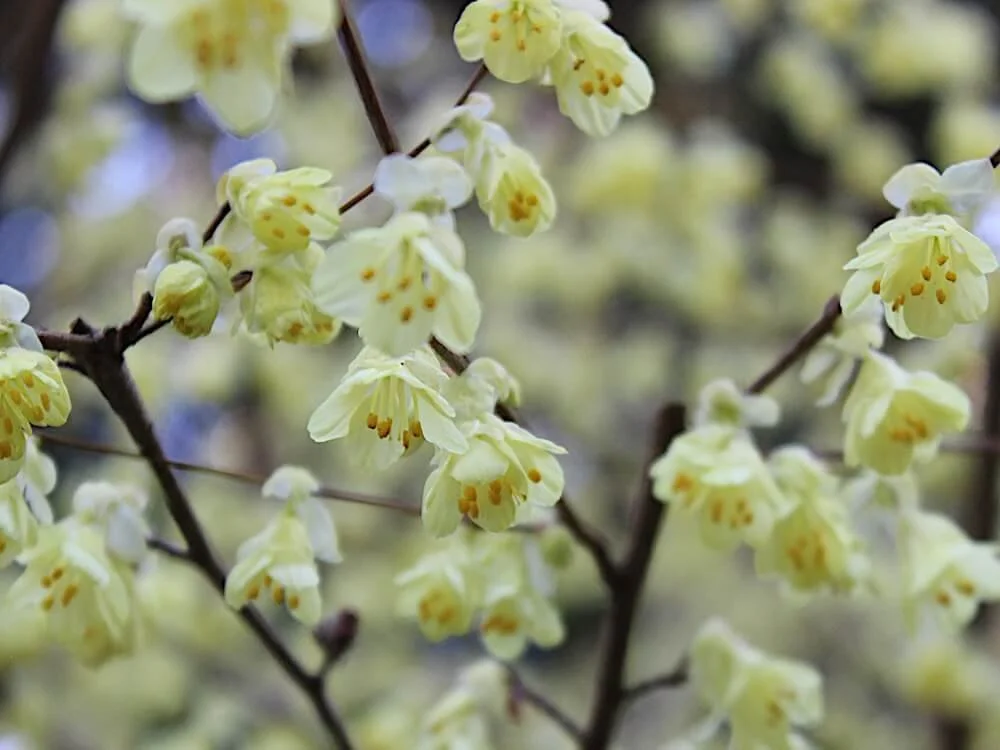
Winter hazels bring delicate chains of pendant flowers into the garden during the quietest part of the year, adding movement and soft color before most shrubs begin leafing out. Corylopsis pauciflora (shown here) is grown for its pale yellow bell-shaped flowers that hang beneath bare branches in late winter and early spring. The lightly fragrant blooms create a gentle layered effect along the stems while helping brighten woodland borders and sheltered garden spaces during colder months.
Foliage and branching habits extend the visual interest of these shrubs well beyond flowering season. Corylopsis sinensis var. calvescens f. veitchiana develops larger leaves and longer flower chains that create a more substantial presence in the landscape, while Corylopsis spicata ‘Aurea’ produces golden-yellow foliage that adds brightness through spring and summer. Their arching forms and refined textures pair especially well with early bulbs, witch hazels, and woodland perennials.
SWEET BOX (Sarcococca)
11
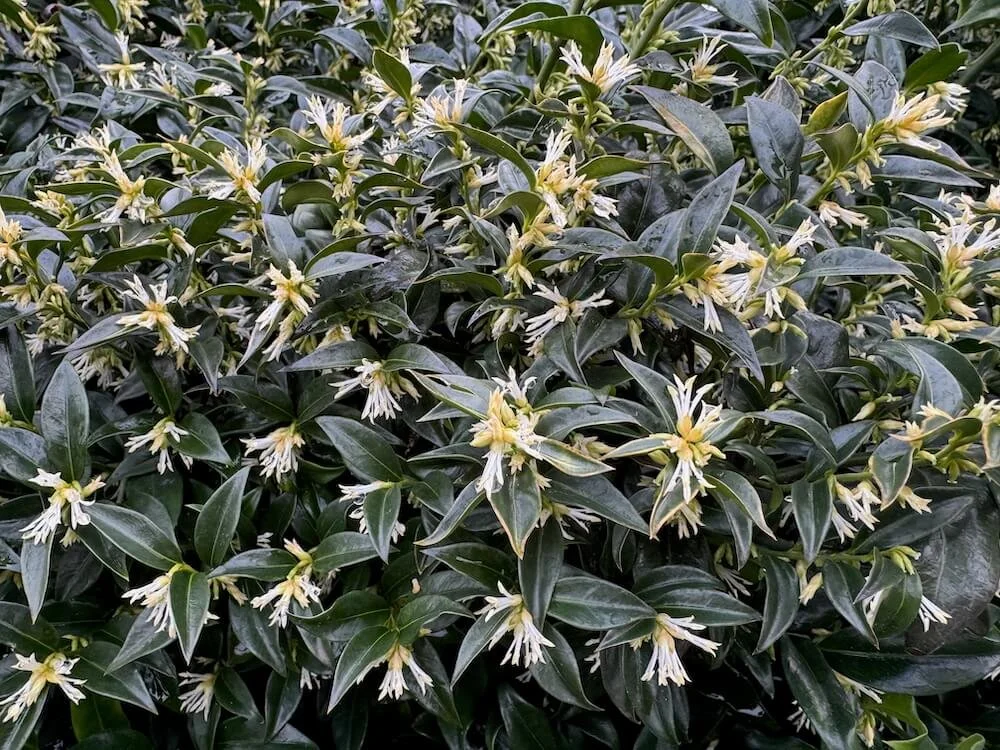
Winter-blooming sweet box brings fragrance and quiet detail to the garden during the colder months, with flowers appearing from late winter into early spring. Sarcococca confusa (shown here) is grown for its glossy dark evergreen foliage and small, creamy white flowers that release a strong, sweet scent, often noticed before the blooms are seen. Its dense, upright habit provides reliable structure and a rich green backdrop in shaded settings.
These shrubs are well suited to woodland edges, foundation plantings, or shaded borders where their fragrance can be easily enjoyed. Sarcococca hookeriana var. humilis offers a lower, more spreading form, making it useful for groundcover or edging. Together, these selections provide winter fragrance, evergreen structure, and a subtle but memorable presence in sheltered garden spaces.